Option 3: $99/mo Atlas Genesis
Full disclosure. This is us. Written honestly. Here’s what you actually get for Genesis at $99/mo:
- A professional site built from your business name or existing URL, live in minutes
- Individual service pages for every service you offer (gutter cleaning and gutter repair each get their own page, with their own SEO, their own copy, their own conversion paths)
- Town and service-area pages if you serve multiple locations
- LocalBusiness + Service + FAQPage schema markup automatically
- 97+ Lighthouse performance score (most agency sites score 60–80)
- Mobile-first responsive design, 100/100 mobile score on every build
- Custom domain + SSL included
- A working contact form with lead capture
- AI-generated hero images and service photography
- Cinematic hero video option
- Monthly content refreshes, actual content improvements, not just security patches
- No contracts. Cancel anytime.
Three-year cost: $99 × 36 = $3,564. Includes everything above, plus every future improvement Atlas ships during that window.

The three-year math, side by side
The interesting thing isn’t that Genesis is the cheapest or the most expensive. It’s that Genesis is the only option where the site gets better over time without you doing anything.
But does it actually convert?
This is the question most contractors never ask when shopping websites, and it’s the only one that actually matters.
A website that doesn’t rank on Google, doesn’t load fast on mobile, and doesn’t turn visitors into calls is worthless regardless of what it cost to build. Agency or DIY or Genesis, the question is the same: does it bring in work?
The whole point of a contractor website is to do four things:
- Get found on Google when someone searches for your service in your area
- Look credible enough in the first three seconds that the visitor doesn’t bounce
- Make contact obvious: phone number visible, form working, CTA where the eye lands
- Turn the visit into a call, form, or booking
If it doesn’t do those four things, you could have built it for free or for $10,000. The ROI is the same. Zero.
And all four of those depend on things most contractor websites don’t have: individual service pages (not a services dump), proper local SEO, schema markup, fast mobile load times, and conversion architecture that matches how customers actually decide. Those aren’t luxuries. They’re the baseline.
A real example
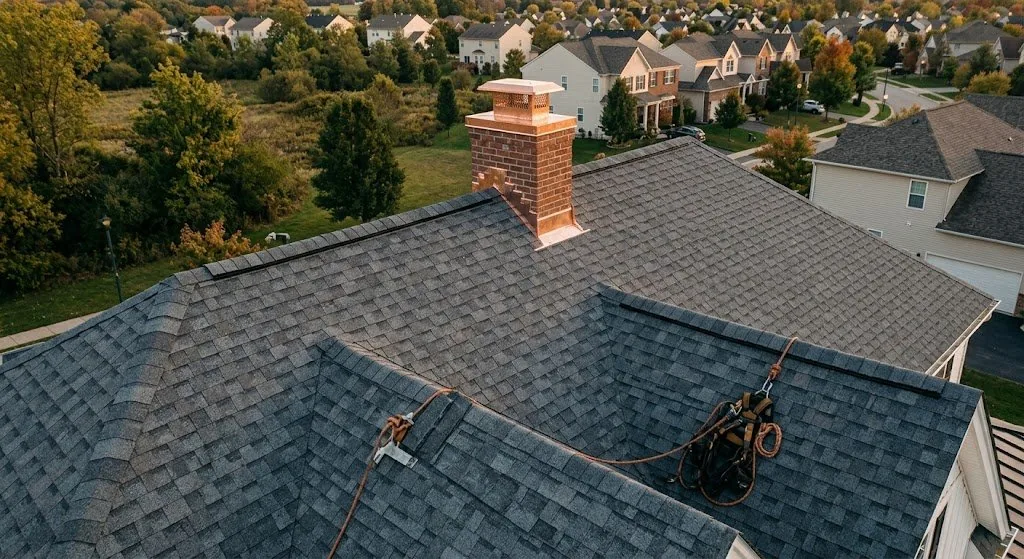
Gutter Bandits, a Central NJ gutter business, ran on a GoDaddy site for years. The site existed. It didn’t rank for anything. It didn’t bring in jobs. Their owner Tristan told me he couldn’t remember the last time a customer said “I found you online.”
After switching to Genesis, the equation flipped. Service-area pages started ranking. The site started looking like the professional business it actually was instead of a placeholder. Calls and form submissions both went up.
The full breakdown: before/after rankings, traffic data, and a quote from Tristan, is in our Gutter Bandits case study. The specifics apply to any home service trade.
The question most contractors never ask
Before you pay anyone (including us) for a website, the question to answer is: what does this site actually need to do for my business?
If the answer is “look nice,” a Wix template works. If the answer is “be somewhere I can send people a link when they ask,” voicemail with a URL works.
But if the answer is the honest one: “get me found on Google, look credible on mobile, turn visitors into calls, and keep working without constant maintenance”. That’s the actual bar. And that’s what any money you spend on a website should deliver.
The $99/mo option wasn’t available five years ago. It is now. The math has changed. Worth running the numbers.
And one other thing worth noting: a website only does half the job. Even a site that ranks and converts well still leaves you leaking leads if your phone goes unanswered. That’s a separate problem. We broke down the math on that one in this post on what missed calls are actually costing contractors.